What Sets Norweco Singulair Green Apart in Wantage NJ Septic Solutions
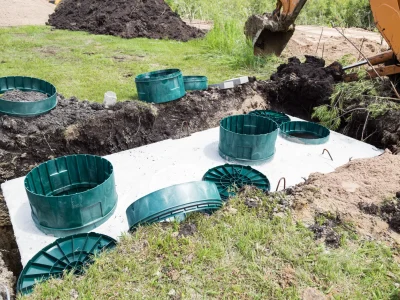
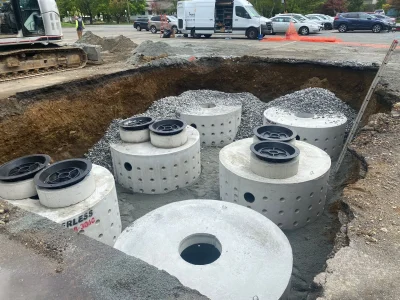
Septic decisions in Sussex County are rarely simple, and in Wantage that is especially true. Soil conditions can be variable from one property to the next. Some lots have enough room for a conventional setup and a straightforward replacement. Others are tighter, wetter, sloped, or constrained by wells, property lines, drainage features, or prior site work. That is where treatment technology matters. Not as a buzzword, but as a practical tool that can solve real limitations on real properties.
When homeowners start asking about the norweco singulair green Wantage NJ option, they are usually trying to answer one of two questions. The first is whether it performs better than a standard septic system in a challenging setting. The second is whether the extra equipment, oversight, and cost are justified. Both are fair questions, and the answer depends on how the property functions, not just what a brochure promises.
Norweco’s Singulair Green system stands apart because it is designed as an advanced treatment unit rather than a basic tank-and-field arrangement. That difference sounds technical, but the practical meaning is easier to understand. Instead of relying mostly on passive settling and soil absorption, the system treats wastewater more actively before it reaches the dispersal area. That higher level of treatment can open up design possibilities that a conventional system cannot always support.
Why advanced treatment changes the conversation
A standard septic system does two big jobs. First, it separates solids from household wastewater in the septic tank. Then it sends partially clarified effluent into a soil-based disposal area, where the final treatment happens in the ground. When the lot has deep, suitable soils and plenty of room, that approach can work very well.
The trouble starts when the site is less forgiving. If usable soils are shallow, seasonal groundwater is a concern, or setbacks leave little room for a full-sized field, the design margin gets tighter. In those cases, improving the quality of the effluent before it enters the soil can make a major difference. Cleaner effluent reduces stress on the disposal area. It can also support designs that would otherwise be difficult to permit or construct, subject to local and state requirements.
That is one of the main reasons advanced units draw attention in places like Wantage. Rural properties are not all the same. A home on a broad, open parcel may have options that a wooded lot or an older homesite simply does not. I have seen homeowners assume they need a total redesign of their property, only to learn that an advanced treatment system gives the designer more flexibility to work within the site’s limits. I have also seen the opposite, where someone expected technology to erase every constraint, only to find that setbacks, grading, and maintenance obligations still mattered. Good judgment lives in that middle ground.
What the Norweco Singulair Green system is really doing
At its core, the Singulair Green is an aerobic treatment system. That means it introduces oxygen into the treatment process so aerobic bacteria can break down waste more thoroughly than in a traditional septic tank alone. A conventional tank is mostly an anaerobic environment. It settles solids and begins decomposition, but it does not provide the same level of active treatment.
In practical terms, a Singulair Green system uses mechanical components and controlled treatment zones to produce a cleaner effluent. Depending on the approved design and local requirements, that treated water may then move on to further clarification, disinfection, and final dispersal. The exact configuration matters. There is no single “one size fits all” installation, and that is important for homeowners to understand. What gets approved on one lot may not be the exact layout used on another.
The distinction that sets Norweco apart is not just that it is an aerobic unit. It is that the system has been widely recognized in the onsite wastewater industry for providing a structured, engineered treatment process. That matters in the field. Installers, designers, and service providers tend to prefer equipment they know how to diagnose, maintain, and support. Familiarity reduces guesswork, and guesswork is not something you want attached to wastewater treatment.
Why this matters in Wantage NJ
Wantage sits in a part of New Jersey where septic systems are a fact of life for many homes. Municipal sewer service is not available everywhere, so private onsite systems carry a lot of responsibility. They are not background infrastructure you forget about until sale day. They are active household systems that need to perform through wet seasons, winter freezes, power interruptions, and daily use by changing family sizes.
The local context affects design in several ways. Some properties are older and were developed under standards that differ from current expectations. Some lots have improvements added over the years, including decks, garages, pools, or landscaping that narrow the available footprint for replacement. Some homeowners discover the issue only when a failed inspection, surfacing effluent, or slow drainage makes the problem impossible to ignore.
This is where the norweco singulair green Wantage NJ conversation becomes more than product research. It becomes a site planning discussion. The question is not only whether the treatment unit works. It is whether the unit helps create a compliant, maintainable, long-term solution for that specific property.
On a constrained lot, cleaner effluent can be a real advantage. On a larger lot with ideal soils, a conventional system may still be the simpler and more economical choice. That is the key trade-off. Advanced treatment is not automatically better for every house. It is better when the conditions justify it.
The biggest practical advantages homeowners notice
The first advantage is usually design flexibility. If a property has limits that make a standard system difficult, a treatment unit that produces higher-quality effluent may allow the engineer to pursue options that would otherwise be off the table. This can be the difference between preserving a usable yard and dedicating a huge portion of the lot to a replacement field.
The second advantage is performance quality. Cleaner effluent generally means less loading pressure on the soil dispersal component. Over time, that can support steadier function when the system is properly maintained. It does not make the system indestructible, and it does not excuse overuse or neglect, but it can provide a stronger treatment chain.
The third advantage is fit for sensitive or regulated conditions. In areas where environmental protection standards are tighter, advanced treatment systems are often part of the solution because they reduce pollutants before discharge to the soil. For homeowners near wells, drainage areas, or other sensitive features, that can be a significant part of the approval strategy.
The fourth advantage is footprint efficiency in some designs. A conventional system often depends on larger soil absorption areas because the effluent has had less treatment before entering the field. With advanced treatment, the downstream dispersal design can sometimes be more manageable, subject to engineering and code review.
The fifth advantage is predictability under supervised maintenance. This one gets overlooked. A standard septic tank may go years with little attention beyond pumping, and people assume that means simplicity equals reliability. Sometimes it does. But some conventional systems fail quietly because nobody is watching them. With an advanced system under routine service, there is at least a structured schedule for inspection, adjustment, and problem detection.
Where Norweco demands more from the owner
The best septic professionals are candid about this: a Norweco Singulair Green system asks more of the homeowner than a basic tank does. That is not a flaw. It is just part of the bargain.
Because it is an aerobic treatment unit, it has mechanical components. Those components need power. They need periodic inspection. They need service by someone who understands the system. Filters, aeration equipment, alarms, and controls all exist for a reason, but they also mean the owner has a greater role in keeping the system healthy.
There is also a mindset difference. People often think of a conventional septic system as buried infrastructure. Out of sight, out of mind. Advanced treatment systems do not reward that mindset. They perform best when the owner knows where the controls are, pays attention to alarms, keeps service visits current, and avoids habits that disrupt treatment, such as flushing wipes, dumping harsh chemicals, or overwhelming the system with hydraulic surges.
That service relationship is not a downside when handled properly. In fact, on many difficult lots it is one of the strengths of the system. Problems are more likely to be caught early rather than after a backup or field failure. But homeowners should walk into the purchase understanding that “advanced” comes with maintenance responsibility.
How it compares with a conventional septic approach
The cleanest comparison is not about brand versus brand. It is about treatment philosophy.
A conventional septic system is passive, simple, and often cost-effective where site conditions are favorable. It has fewer moving parts and typically lower routine service complexity. For the right property, it remains an excellent choice.
A Singulair Green system is active, engineered, and better suited to properties where wastewater needs more treatment before soil dispersal. It often makes sense where lot constraints, environmental sensitivity, or approval challenges make conventional design less attractive or less feasible.
That does not mean every advanced system is automatically more reliable in everyday life. Reliability depends on proper design, quality installation, correct startup, and ongoing maintenance. I have seen advanced systems perform beautifully for years, and I have seen them neglected into poor performance. The same is true of conventional systems, though the failure modes differ.
One of the clearest real-world distinctions is owner involvement. A homeowner who wants the lowest-touch system possible may prefer conventional design if the site supports it. A homeowner whose lot requires a more sophisticated approach may decide the added oversight is a worthwhile trade for preserving property usability and meeting code requirements.
What installation quality means for long-term results
No treatment unit, however reputable, can rescue a poor installation. That is true across the septic industry, and it is doubly true for advanced treatment systems. Homeowners researching Norweco often focus on the equipment, but the field performance depends just as heavily on the people who size it, set it, wire it, pipe it, test it, and maintain it.
A few issues matter more than brand preference. Elevations norweco singulair green Wantage NJ need to be right. Flows need to be matched to the home’s expected use. Tanks need proper bedding and backfill. Electrical work must be clean and code-compliant. The dispersal area has to suit the treated effluent and the soil conditions. If pumps are involved, dose volumes and controls need attention. Even something as basic as surface grading can affect how the site handles stormwater and protects the system over time.
I once saw a homeowner blame the treatment unit for recurring trouble when the deeper problem was runoff from adjacent grading washing toward the disposal area. The equipment became the scapegoat because it was the visible, unfamiliar part of the system. Once the drainage issue was corrected, the system stabilized. That kind of case is a reminder that septic performance is always about the whole system, not one tank.
Questions worth asking before choosing this route
If you are seriously considering a Singulair Green setup, the most useful conversations happen early, before design is locked in. Ask your engineer or licensed septic professional how the system changes the layout options on your property. Ask what maintenance agreement is expected, how often service is recommended or required, and what local agencies may want documented. Ask how alarms work and what a homeowner should do if one activates.
It is also smart to ask about winter behavior, power loss planning, and realistic operating costs. Advanced treatment systems are not usually budgeted the same way as a basic tank. There is the installation cost, then the lifecycle cost. Homeowners who look only at the first number often miss the bigger picture. At the same time, people who dismiss the system as “too expensive” sometimes fail to compare it against the cost of major site alteration, retaining walls, imported fill, or a conventional design that barely fits and leaves no room for future changes.
A good installer or designer should be able to talk plainly about trade-offs. If they make it sound effortless, be cautious. If they make it sound impossible, ask why and whether other compliant layouts were considered.
Signs the Norweco option may be a strong fit
- The lot has space, setback, or soil limitations that make a conventional system difficult.
- You need higher-quality effluent as part of an approved design strategy.
- You are willing to keep a service agreement and respond to maintenance needs.
- Preserving usable yard area matters and a smaller or more flexible layout has value.
- The design team has specific experience with advanced treatment systems in your area.
That last point deserves emphasis. In a place like Wantage, local experience matters. State rules, county conditions, and township realities all shape what gets built. A team that regularly works with advanced onsite systems will usually spot issues earlier and avoid design assumptions that do not hold up during review or installation.
The maintenance side that homeowners should not underestimate
Routine maintenance is where the ownership experience really takes shape. With a Norweco Singulair Green system, service is not just a box to check. It is part of how the treatment process stays effective. A technician may inspect aeration performance, sludge levels, pumps or controls if present, alarm status, and the general condition of the unit. Depending on the system design, disinfection components or filters may need attention as well.
Homeowners sometimes ask whether this means constant service calls. Usually, no. A properly operating system on a normal service schedule should not demand endless visits. But it should not be ignored for years, either. The goal is steady norweco singulair green Wantage NJ oversight, not crisis response.
Behavior inside the home matters more than many people realize. Hydraulic overload is a common source of trouble. A house that suddenly goes from two occupants to six full-time residents is not using the system the same way. Back-to-back laundry loads, long showers, leaking toilets, and water softener discharge can all influence system stress. So can kitchen habits. Grease, wipes labeled “flushable,” and strong chemical dumping are frequent offenders in both conventional and advanced systems.
These are the homeowner habits I would stress most:
- Fix leaks quickly, especially running toilets and dripping fixtures.
- Spread out high water use instead of stacking it into one short window.
- Keep non-biodegradable items and grease out of the plumbing.
- Maintain access lids and control components so service is easy and safe.
- Call for service when alarms or unusual odors appear, rather than waiting.
Small habits protect a large investment. That sounds obvious, but in practice it is often the difference between routine maintenance and premature repairs.
Cost, value, and the longer view
There is no honest way to discuss advanced septic systems without discussing cost. A Norweco Singulair Green installation will often cost more upfront than a simple conventional system, especially when controls, electrical work, specialized dispersal components, and permitting complexity are part of the package. Operating costs are also higher because service and power use become part of ownership.
Yet price alone is a poor decision tool in septic work. The better question is value. If the advanced unit is what allows a lot to support a compliant replacement without extreme site disruption, then the comparison is not between “expensive system” and “cheap system.” It is between “viable system” and “limited options.” In those situations, the additional cost can be justified very quickly.
There is also resale to think about, though homeowners should be realistic here. Advanced treatment does not automatically raise property value in a simple dollar-for-dollar way. What it can do is remove uncertainty from a difficult site when the system is documented, permitted, and maintained. Buyers tend to respond well to clear records and a system that has an understandable service history. They respond poorly to improvised fixes and mystery components nobody can explain.
Why the brand keeps coming up in difficult-site discussions
Norweco is not the only name in advanced onsite treatment, but it comes up often because it has a long-standing presence in the market and a reputation that many professionals recognize. In wastewater work, that matters more than slick marketing. Familiar systems are easier to service, easier to troubleshoot, and easier to incorporate into a design process when the engineer and installer know what they are dealing with.
For homeowners in Wantage, that translates into confidence, provided the local support network is there. A strong product without local service capability is not much of an advantage. Before committing, it is worth confirming who will actually handle maintenance, what response times look like, and how parts or service appointments are managed in your area.
This is the practical lens through which I would evaluate the norweco singulair green Wantage NJ option. Not as a prestige purchase. Not as a universal upgrade. As a tool that earns its place when the property, regulations, and long-term ownership plan all point in the same direction.
What sets it apart, plainly stated
What truly sets the Norweco Singulair Green apart is its ability to provide higher-level wastewater treatment on sites where a basic septic approach may be too limited, too risky, or too hard to fit responsibly. That advantage is real, especially in parts of Wantage where lot conditions complicate design. It can deliver flexibility, better effluent quality, and a stronger treatment chain before final dispersal.
Its limitations are just as real. It requires electricity, routine service, owner attention, and a design team that understands advanced onsite wastewater systems. For the right property, those are acceptable obligations. For the wrong property, they may be unnecessary complication.
That is why the best septic decisions are never made from a brand sheet alone. They are made in the field, with soil data, layout constraints, household use patterns, and maintenance expectations all on the table. When those factors line up, a Norweco Singulair Green system can be one of the smartest septic solutions available in Wantage NJ.
Excavating New Jersey LLC
406 County Rd 565
Wantage, NJ 07461, United States
Phone: +1 (973) 791-4284
FAQ About norweco singulair green Wantage NJ
How does a Norweco septic system work?
Singulair Green uses aerobic biological treatment in a polyethylene tank, followed by settling and filtration. The treatment unit is one part of a complete wastewater system; the site design also determines how treated effluent is dispersed.
How much does a Norweco septic system cost in NJ?
A useful estimate requires a property evaluation. Excavation access, soil conditions, engineering, electrical work, the disposal field, and restoration can affect the total. Ask Excavating New Jersey LLC for a written scope that distinguishes installation costs from ongoing service costs.
Are Norweco septic systems good?
Singulair Green is an established aerobic treatment option, but suitability depends on the property and proposed design. Compare the model's documented performance, maintenance needs, and total project scope with alternatives before deciding.