What Makes Norweco Singulair Green an Eco-Friendly Choice
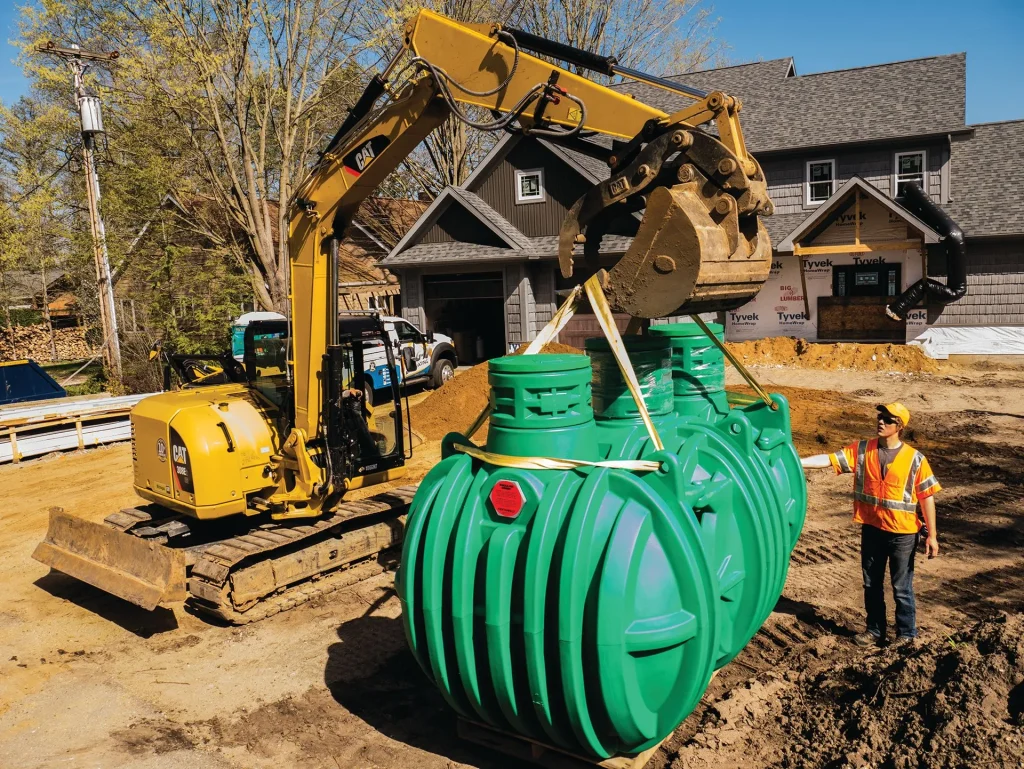

When people talk about environmentally responsible wastewater treatment, the conversation usually starts with municipal sewer systems. That makes sense in dense urban areas, but it leaves out a large part of the country where homes, small commercial buildings, schools, churches, and rural properties rely on onsite treatment. In those settings, the quality of the equipment matters enormously. A weak system does not just create odors or service headaches. It can allow poorly treated wastewater to reach soil, groundwater, drainage areas, and nearby surface water.
That is where the design philosophy behind the norweco singulair green system stands out. It is not simply a septic tank with a different label. It is an aerobic treatment approach built to treat wastewater to a higher standard than a basic septic setup can usually manage on its own. From an environmental perspective, that distinction is the heart of the matter. Better treatment at the source often means lower nutrient loading, fewer suspended solids, less organic material leaving the tank, and a reduced chance that untreated or partially treated wastewater will become someone else’s problem downstream.
I have seen property owners focus on the wrong metric when choosing onsite treatment. They ask about tank size first, or they compare initial price tags, or they assume all approved systems perform more or less the same. In practice, performance over time is what determines whether a system is truly environmentally responsible. A treatment unit can look impressive on paper, but if it is difficult to maintain, prone to neglect, or inconsistent under real household use, its green credentials fade fast. The more useful question is this one: does the system reliably produce high quality effluent and support long-term responsible water management? That is the standard the norweco singulair green needs to meet.
Eco-friendly starts with better treatment
A conventional septic tank works mostly by separating solids from liquids and allowing anaerobic digestion to occur. That approach can be effective in the right soil and site conditions, but it has limits. The effluent leaving a conventional tank still contains substantial organic matter, suspended solids, and nutrients. The drainfield and native soil do much of the remaining treatment work.
An aerobic treatment unit, by contrast, actively introduces oxygen to support aerobic bacteria. Those organisms break down waste more efficiently and more quickly than anaerobic conditions alone. The result is generally cleaner effluent before it ever reaches the dispersal area. That matters because environmental protection is strongest when treatment occurs in stages and each stage does its share.
The norweco singulair green is known for using this aerobic process to improve wastewater quality. In practical terms, that often means reduced biochemical oxygen demand and total suspended solids compared with a basic septic arrangement. Those are not abstract lab numbers. They describe how much oxygen-depleting material and particulate matter remain in the water. Lower levels help protect receiving environments, especially where soils are variable, lots are small, or water tables are less forgiving.
Cleaner effluent also reduces stress on the downstream components of the system. A drainfield or other final dispersal area has a much better chance of lasting when it is not constantly loaded with excessive solids and poorly treated wastewater. Longevity is an environmental issue too. Every avoided premature replacement means less excavation, less material use, and less risk of a failure event.
Why effluent quality matters more than marketing language
“Green” gets overused in this industry. Sometimes it means energy efficient. Sometimes it means made from recyclable materials. Sometimes it means little more than a color choice and a brochure. For onsite wastewater systems, the most meaningful environmental measure is effluent quality over years of use.
A treatment unit that consistently reduces pollutants helps in several ways. It can lower the risk of nutrient migration into nearby water bodies. It can reduce the formation of biomat overload in disposal areas. It can make advanced dispersal or reuse strategies more feasible where local regulations allow them. And it can protect sensitive sites where a conventional system would be marginal or inappropriate.
On rural properties near lakes or streams, this becomes very real very quickly. I have walked sites where a standard septic system technically fit on paper, but the environmental margin for error was thin because of slope, shallow limiting layers, or seasonal moisture. In cases like that, a higher level of pretreatment can be the difference between a stable long-term installation and a source of chronic concern. The norweco singulair green earns its eco-friendly reputation largely because it addresses that weak point directly: it improves the wastewater before the land application stage has to finish the job.
Lower impact on soil and groundwater
The best onsite system is not the one people notice. It is the one quietly protecting the site year after year. Soil and groundwater benefit when wastewater reaches them in a more stabilized, clarified condition.
With conventional septic systems, the drainfield often carries a heavy burden. It must accept liquid, strain particles, host microbial treatment, and disperse flow without clogging. If wastewater enters that field with too many solids or too much organic loading, performance declines. Ponding, odors, surfacing effluent, and premature field failure can follow. Once that happens, environmental damage is no longer theoretical.
The norweco singulair green helps reduce that burden by producing more thoroughly treated effluent upstream. That often translates into a gentler loading profile on the soil absorption system. On sites with expensive engineered drainfields, this is especially important. Replacing those systems can be disruptive and costly, but the environmental cost may be even higher if failure leads to contamination or emergency repairs.
Groundwater protection is another major factor. Many rural homeowners draw drinking water from private wells. Separation distances and code compliance matter, but treatment quality matters too. Better pretreatment does not replace sound siting, though it can improve the overall risk picture by reducing the pollutant load moving through the subsurface environment.
The role of energy use, and the trade-off that deserves honesty
An aerobic treatment system usually uses electricity. That is a trade-off, and it should be stated plainly. A conventional septic tank is mostly passive, while an aerobic unit typically relies on mechanical aeration and control components. From a narrow energy-consumption perspective, the passive system appears greener.
That is only part of the story.
If the active system delivers significantly better treatment, protects sensitive soils, reduces failure risk, and extends downstream component life, the environmental balance can still favor the aerobic approach. Real sustainability is rarely about a single input. It is about total system performance over time.
The electricity demand for residential aerobic treatment equipment is typically modest compared with large household loads such as heating, cooling, water heating, or clothes drying, though actual usage varies by model and operation. For many owners, the environmental gain from better wastewater treatment outweighs the incremental energy use. The especially responsible way to think about it is not “Does it use power?” but “What environmental harm does that power use help prevent?”
In my experience, this is where informed owners make the best decisions. They stop treating wastewater equipment as if it were invisible infrastructure and start seeing it as part of the property’s environmental footprint. When that shift happens, the norweco singulair green makes much more sense.
Durability is part of sustainability
A system cannot be eco-friendly if it is constantly breaking, neglected, or replaced early. One of the less glamorous aspects of sustainable equipment is plain durability. Materials, internal components, service accessibility, and operational simplicity all affect whether a treatment unit continues doing its job ten or twenty years after installation.
Norweco has long been associated with precast concrete and robust onsite treatment products, and that reputation matters. A durable tank structure resists deformation, ultraviolet degradation, and the sort of installation-related damage sometimes seen with lighter materials when site work is poor. That does not mean every concrete tank is automatically better in every scenario, because transport, soil chemistry, and site specifics still matter. But in general, a well-made, properly installed concrete treatment unit supports long service life.
Long service life is an environmental advantage in at least three ways. It reduces replacement frequency, it limits construction disturbance, and it spreads the embodied impacts of manufacturing and transport over more years of use. People often overlook embodied impact in wastewater discussions, but it is real. Every truck trip, excavation event, and replacement component has an environmental cost.
A greener system still depends on maintenance
No onsite treatment unit stays green if it is neglected. That is true for the norweco singulair green just as it is for any other advanced system. Aerobic treatment works because biological processes and mechanical support systems stay in balance. When service is ignored, performance can drop.
The good news is that scheduled maintenance is not a flaw in the concept. It is part of responsible operation. In fact, one reason some advanced systems perform better over time is that they are more likely to be inspected regularly under service agreements or permit conditions. Conventional septic systems are often forgotten until there is a backup, odor, or wet patch in the yard. By then, the environmental damage may already be underway.
Owners who get the best ecological value from these systems tend to follow a few practical habits:
- They keep service appointments and respond promptly to alarms or abnormal operation.
- They avoid flushing grease, wipes, solvents, and harsh chemicals that upset treatment biology.
- They pump solids at appropriate intervals rather than waiting for symptoms.
- They manage water use sensibly, especially during gatherings, heavy laundry days, or intermittent occupancy changes.
- They protect the dispersal area from traffic, compaction, and root intrusion.
None of that is complicated, but it does require attention. Eco-friendly equipment is never an excuse for careless use.
How the system can support tougher sites
Not every property offers ideal conditions for a basic septic system. Small lots, poor percolation, shallow seasonal high water tables, fractured bedrock, and waterfront setbacks all create design pressure. On those sites, enhanced pretreatment can open options that are either impossible or risky with conventional equipment alone.
That does not mean an advanced unit is a magic fix. If the lot is fundamentally unsuitable, no tank can solve that. Local regulations, soil evaluations, hydraulic loading limits, and engineering requirements still control what can be approved. Yet in many marginal but buildable situations, the norweco singulair green can contribute to a design that has a smaller environmental footprint than the alternatives.
For example, cleaner effluent may allow more refined dispersal methods, depending on local code. It may reduce the area burdened by poor quality wastewater. It may also provide a better margin of safety on properties where seasonal occupancy changes create variable loading. Vacation homes, event venues, rural churches, and small commercial sites often generate uneven flows. Systems on those properties need resilience as well as treatment quality.
That resilience matters because environmental harm often occurs at the edges, during peak use, after long idle periods, or when a neglected system receives a sudden surge. A unit designed for higher treatment performance can help buffer those realities, though it still must be sized and managed correctly.
Water reuse potential and why it matters carefully
One of the more interesting environmental benefits of advanced wastewater treatment is the possibility of supporting reuse applications where regulations permit. This is a heavily controlled area, and standards vary widely by jurisdiction. It is not something a homeowner should assume is allowed simply because the treatment equipment is advanced.
Still, the principle is worth noting. Higher quality effluent creates more opportunities for beneficial management rather than simple disposal. In some commercial or institutional settings, treated wastewater may become part of a broader site water strategy, subject to code and permit requirements. Even where direct reuse is not pursued, cleaner water entering the landscape is a form of environmental improvement in itself.
The key point is restraint. It is easy to overstate reuse as a selling point. The more defensible claim is that advanced treatment expands the realm of environmentally responsible possibilities, while conventional septic tanks usually do not.
Odor control and neighborhood impact
Odor may seem like a comfort issue more than an ecological one, but it often signals treatment quality problems. Poorly functioning septic systems release unpleasant gases and create nuisance conditions that push owners into emergency interventions rather than planned maintenance. Once emergency conditions start, environmental performance usually degrades too.
A well-operated aerobic treatment unit can help minimize nuisance conditions by treating wastewater more thoroughly before dispersal. On tighter lots or semi-rural subdivisions where neighbors are closer than they used to be, that matters. Environmental stewardship is not just about chemistry. It is also about maintaining systems that people will tolerate, maintain, and preserve rather than bypass, overload, or neglect.
I have seen homeowners become much more diligent once they understand that odors are not merely embarrassing. They are evidence that something is not being treated as intended. Systems that support cleaner, more stable operation encourage better ownership behavior, and better ownership behavior is one of the strongest environmental protections available.
Comparing the eco-footprint to a standard septic setup
The fairest way to evaluate the norweco singulair green is against what many properties would otherwise install: a conventional septic tank with soil-based disposal. On the right site, a conventional system can work very well for many years. It has the virtues of simplicity, low energy use, and fewer mechanical parts. Those are real advantages and should not be dismissed.
But those strengths depend heavily on good soil, adequate space, appropriate loading, and attentive pumping schedules. Once site conditions become more sensitive, the environmental margin narrows. That is where the advanced system often pulls ahead.
A simple side-by-side view helps clarify the trade-offs:
| Factor | Conventional septic system | Norweco Singulair Green | |---|---|---| | Treatment level before dispersal | Moderate, relies heavily on soil | Higher pretreatment through aerobic process | | Energy use | Very low | Higher due to aeration and controls | | Suitability for challenging sites | More limited | Often better suited, subject to design approval | | Drainfield stress | Greater if effluent quality is lower | Often reduced with cleaner effluent | | Maintenance style | Easy to ignore, sometimes too easy | Requires regular service, which can improve oversight |
That maintenance row is more important than it looks. Systems that are easy to forget often are forgotten. An Excavating New Jersey LLC norweco singulair green advanced unit that prompts regular inspection may, in practice, protect the environment better simply because someone is paying attention.
Responsible installation matters as much as the equipment
A green treatment unit installed badly is not a green system. Proper excavation, watertight connections, correct grading, sound electrical work, ventilation, access for service, and suitable downstream dispersal all shape the final outcome. Some of the worst-performing sites I have seen did not fail because the treatment technology was weak. They failed because shortcuts were taken during installation or because the unit was paired with a poor disposal design.
For the norweco singulair green, installer competence is especially important because advanced treatment only helps if wastewater actually moves through the system as designed. Short-circuiting, infiltration, inflow, damaged components, or neglected alarms can undermine the environmental benefit quickly.
Property owners sometimes spend heavily on the treatment unit and then try to save money on site work or long-term service. That is usually false economy. The greener choice is the complete, properly engineered and maintained system, not the premium tank dropped into a mediocre installation.
Where the eco-friendly case is strongest
The environmental case for the norweco singulair green is strongest in settings where better effluent quality solves a real site challenge or materially lowers risk. That includes properties near sensitive water resources, lots with limited soil treatment capacity, small sites with little margin for failure, and buildings with occupancy patterns that benefit from more robust treatment.
It is also a good fit for owners who understand that mechanical treatment equipment deserves routine attention. The people happiest with these systems are usually the ones who treat them like important infrastructure rather than bury-and-forget hardware. They read the manual, keep service records, and ask what their wastewater system is actually doing for the site.
That mindset may be the least discussed sustainability factor of all. Eco-friendly products work best when they create a culture of stewardship. The norweco singulair green often does exactly that because it makes wastewater treatment visible enough to be managed, but not burdensome enough to become impractical.
The real measure of “green”
If I had to reduce the whole question to one standard, it would be this: an eco-friendly onsite wastewater system is one that consistently protects water, land, and long-term site function with manageable inputs and realistic maintenance. The norweco singulair green fits that definition well when it is selected for the right property, installed correctly, and serviced as intended.
Its environmental value does not come from a vague claim or a fashionable label. It comes from higher quality treatment, reduced strain on soils and dispersal areas, better protection for groundwater and nearby water bodies, and a design approach that supports long service life. Yes, it uses energy. Yes, it requires maintenance. Those are legitimate trade-offs. But when weighed against the benefit of cleaner effluent and lower risk of wastewater pollution, the balance is often favorable.
For owners choosing between simply meeting minimum requirements and investing in stronger environmental performance, that difference is the point. A wastewater system should do more than disappear underground. It should protect the place where it sits. That is what makes this system an eco-friendly choice in any meaningful sense.
Excavating New Jersey LLC
406 County Rd 565, Wantage, NJ 07461, United States
+1 973-791-4284
FAQ About norweco singulair green
How much does a NORWECO septic system cost?
The installed cost depends on the selected unit, engineering, site access, excavation, electrical work, disposal-field design and required approvals. A tank-only price is not a complete installation quote. Ask Excavating New Jersey LLC for a site-specific, itemized estimate that also explains ongoing service costs.
How does a Norweco septic system work?
The Singulair Green uses pretreatment, aeration, clarification and filtration to treat domestic wastewater. In the aeration chamber, oxygen supports bacteria that break down organic material. The Bio-Kinetic unit provides further filtration and flow equalization. Final effluent disposal must follow the property's approved design and applicable requirements.
What is the average lifespan of a septic system?
There is no guaranteed lifespan for every system. Design, installation, soil conditions, wastewater loading and regular maintenance all matter, and mechanical parts may need replacement before the tank. For a Singulair Green system, follow the manufacturer's service schedule and have a qualified provider assess its condition and pumping needs.